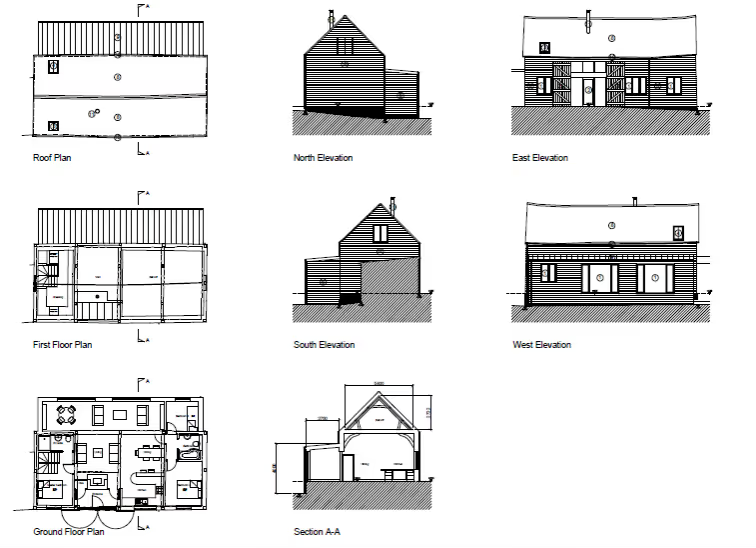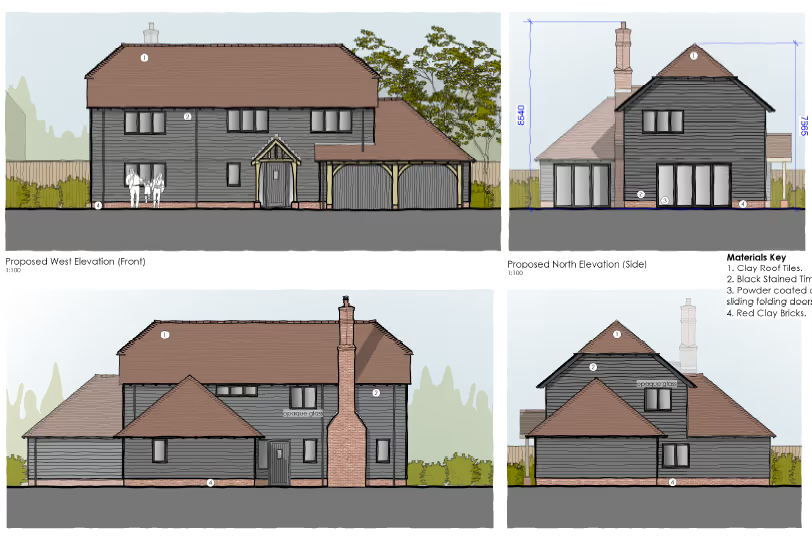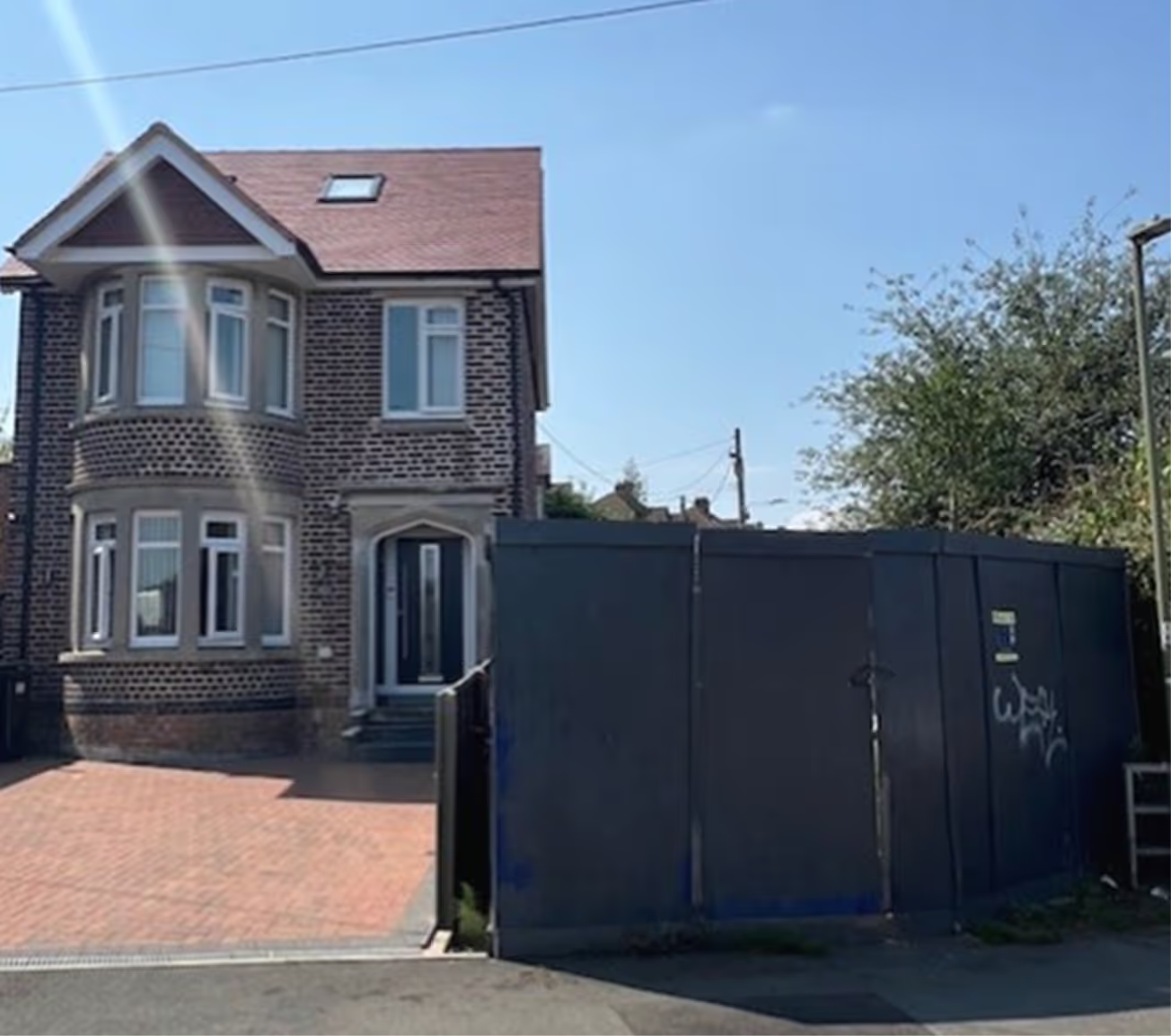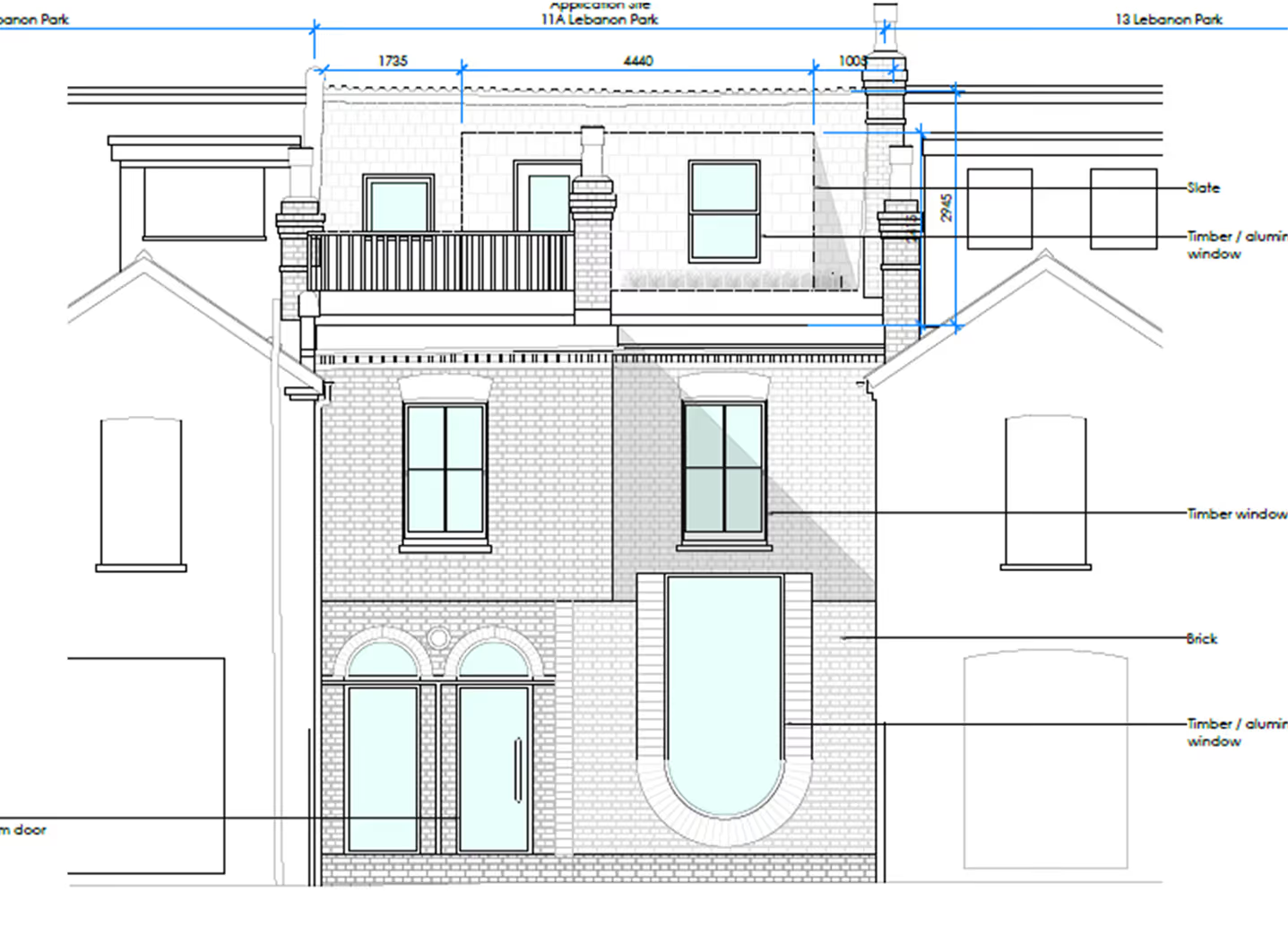
Recently Completed Project Case Studies
Scroll to view projects
View our expertise










Experts in planning consultation, application submissions and planning appeals.

Horne & Associates work with a wide range of clients, including property developers, landowners, investors, architects and planning professionals, businesses expanding or redeveloping premises, educational institutions and private homeowners undertaking improvement projects.
If your permission was refused, we assess the reasons for refusal and advise on the most effective next step. Options include; preparing a revised planning application that addresses the reasons for refusal or submitting a planning appeal to the Planning Inspectorate. Our team has extensive experience in resolving planning and development issues by way of negotiation and in representing clients in planning appeals.
Fees depend on the scale, complexity, and type of project and can either be a fixed up-front fee, an hourly rate, or a combination of the two. Typical factors affecting overall cost include size and type of development, planning constraints affecting the site, the requirement of any additional specialist reports and whether an appeal process is needed. We provide clear, transparent fee proposals before any work begins, so clients understand the scope and costs involved.
Yes. We are specialists in coordinating and managing the full planning process for your project. This often includes: planning strategy and feasibility advice, preparation and submission of planning applications, coordination with specialist consultants, negotiations with planning authorities and community engagement strategies. We regularly assemble teams of specialists tailored to the specific requirements of the project, including (inter alia) architects, highways consultants, heritage experts, arboriculture consultants, drainage engineers and environmental consultants.
Our track record in securing planning permission for our clients is exemplary. We focus on front loading our planning application submissions with a robust planning strategy and detailed preparation, thereby significantly improving the likelihood of approval at application stage. We have extensive experience working with local authorities across the UK and, where needed, representing clients in planning appeals. Our honest work ethos and extensive experience enables us to provide realistic advice on the likelihood of success before proceeding on undertaking a project on behalf of a client.